
Top Sunscreen Mistakes That Are Damaging Your Skin in Summer

Step outside for just ten minutes in peak summer, and you feel it instantly. That harsh heat sitting on your skin like a quiet warning. Now think about what your skin goes through every single day without proper protection.
Most people assume they're covered the moment they apply sunscreen once and move on. But here's the truth: it's not just about using sunscreen, it's about using it right. A few small habits done wrong can quietly cancel out all your effort.
Let's walk through the common sunscreen mistakes people make and how you can fix them without overcomplicating your routine.
Why Sunscreen Isn't Optional in Summer
Sunscreen isn't just for beach days. It's your everyday shield against:
-
Uneven tanning and dull skin
-
Early wrinkles and fine lines
-
Stubborn dark spots
-
Long-term sun damage
If your skin still looks tired or uneven despite using SPF, chances are something in your routine needs adjusting.
1. You're Not Applying Enough
This is probably the most common mistake.
Most people use just a tiny dab and spread it thinly across the face. It feels lighter, sure, but it also means you're not getting the protection written on the bottle.
What to do instead: Use a generous amount. For your face alone, think of a coin-sized portion. It might feel like a lot at first, but your skin needs that coverage.
2. You Apply It Once and Forget About It
Morning application isn't a one-and-done deal, especially in summer.
Sweat, oil, and even just being outdoors break sunscreen down faster than you think.
Fix this habit: Reapply every 2 to 3 hours. If you've been sweating or washing your face, reapply sooner.
This one step alone can completely change how well your sunscreen actually works.
3. You Skip Sunscreen on Cloudy Days
It's easy to assume you're safe when the sun isn't visible. But UV rays don't disappear with clouds.
They're still there, quietly affecting your skin.
Better approach: Make sunscreen a daily habit, like brushing your teeth. Sunny or cloudy, it doesn't matter.
Consistency is what defines how to use sunscreen in summer properly.
4. You Miss Key Areas Without Realizing
You might be applying sunscreen, but are you covering everything?
Commonly missed spots include:
-
Around the ears
-
The back of your neck
-
Your hands
-
Along the hairline
These areas often show early signs of sun damage simply because they're ignored.
Simple fix: Slow down your application. Take an extra 10 seconds to cover these areas properly.
5. You Apply It Right Before Stepping Out
If you apply sunscreen and immediately head into the sun, it doesn't get enough time to settle into your skin.
What works better: Apply it at least 15 to 20 minutes before going outside. This gives it time to form an effective layer.
6. You're Using the Wrong SPF
Not all sunscreens are equal, and SPF matters more than people realize.
Using a low SPF in peak summer is like stepping into the sun half-prepared.
What you should look for:
-
SPF 30 at minimum
-
Broad-spectrum protection (covers both UVA and UVB rays)
This is one of the top sunscreen mistakes in summer that directly affects your results.
7. You Trust Makeup with SPF Too Much
Yes, your foundation might say SPF 15 or 20. But realistically, you're not applying enough of it to get proper protection.
Smarter way: Use sunscreen as your base. Think of makeup SPF as an extra layer, not your main protection.
8. You're Using Expired Sunscreen
This one gets ignored a lot.
Sunscreen doesn't last forever. Over time, its ingredients lose effectiveness, even if the bottle looks fine.
Quick check: If it's past its expiry date or has been sitting around since last summer, it's time to replace it.
Best Way to Use Sunscreen in Summer
If you want your sunscreen to actually do its job, your routine doesn't need to be complicated, just consistent.
A simple routine that works:
-
Cleanse your face
-
Apply moisturizer if needed
-
Use a generous layer of sunscreen
-
Wait before stepping outside
-
Reapply throughout the day
A few small tips that make a big difference:
-
Go for lightweight formulas if your skin gets oily
-
Choose hydrating ones if your skin feels dry
-
Keep a small sunscreen with you for touch-ups
This is the best way to use sunscreen in summer without overthinking it.
When the Problem Isn't You, It's the Product
Sometimes, even when you're doing everything right, your sunscreen just doesn't feel right.
Maybe it's too greasy. Maybe it melts off quickly. Or maybe it breaks you out.
That's usually a sign that the formula isn't suited to your skin or the weather.
Choosing Something That Actually Works
This is where quality matters.
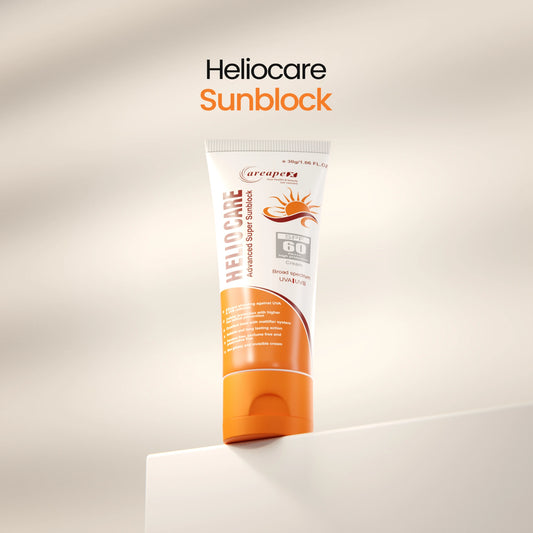
A reliable option like Careapex focuses on making sun protection simple and effective, especially for hot weather conditions.
Their formulas are designed to feel light on the skin while still offering strong protection. No heavy, sticky feeling. No white cast. Just something you can comfortably wear every day.
And honestly, that's what makes a difference, because if it feels good, you're far more likely to use it consistently.
Final Thoughts
Most aren't complicated. They're small habits we don't think twice about.
But over time, they add up.
If you fix just a few of these, using enough product, reapplying properly, and choosing the right formula, you'll start to notice the difference in your skin.
Healthier tone. Less tanning. More confidence stepping out, even on the hottest days.
Take a little extra care now, and your skin will thank you later.
Explore More:
Sunscreen vs Sunblock: Which One Is Better?
Frequently Asked Questions
1. How often should I reapply sunscreen in summer?
Every 2 to 3 hours, or right after sweating or washing your face.
2. Does SPF in makeup replace sunscreen?
No, it works as an add-on layer but never as a substitute.
3. Should I wear sunscreen on cloudy days?
Yes, UV rays still reach your skin through cloud cover.
4. What is the minimum SPF for summer?
SPF 30 with broad-spectrum UVA and UVB coverage.
5. How early should I apply sunscreen before going outside?
At least 15 to 20 minutes before sun exposure.